Crosswalk and intersection impacts
Disputes often center on the walk signal, turning vehicles, and whether the driver yielded. Signal phases and witness accounts can change the outcome.
Pedestrian accident representation · Atlanta, Georgia
If you were hit while walking, you need a legal team that can secure evidence fast, document your injuries, and pursue the full value of your claim while you focus on treatment.
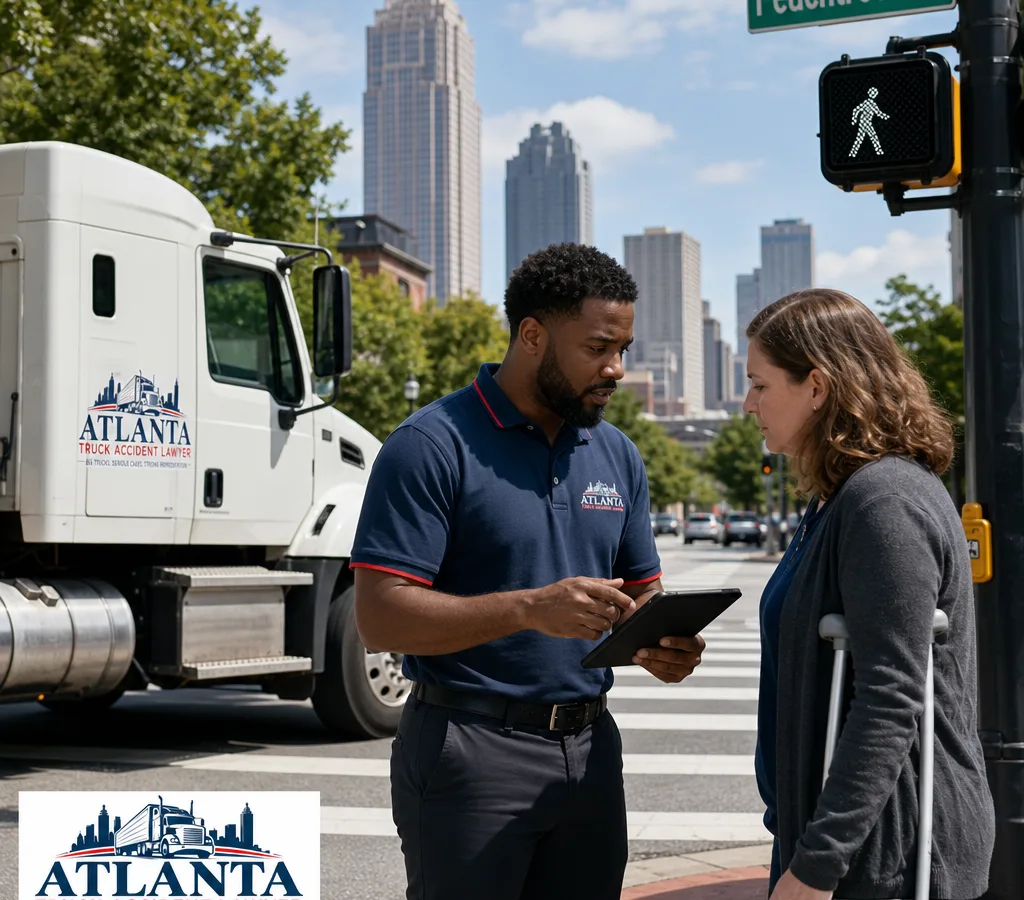
Evidence can disappear quickly
A pedestrian crash can turn into a high-stakes injury claim quickly. Drivers and insurers often start building their narrative immediately, and the evidence that proves fault can disappear just as fast. An Atlanta pedestrian accident lawyer helps you take control early by preserving video before it is overwritten, documenting the scene, and ensuring medical treatment and wage loss are accurately reflected.
Across Atlanta, these claims often come down to proof—not assumptions about who had the right of way.
Our team handles insurer communications, tracks deadlines, and builds a damages picture supported by records rather than guesses. When a commercial vehicle is involved, the investigation may also require company records, additional safety evidence, and multiple coverage layers.
Liability and damages
The core job is to prove liability and damages, then use that proof to negotiate or litigate from a position of strength.
Georgia pedestrian claims commonly involve allegations of shared fault. A pedestrian accident attorney in Atlanta prepares for that by documenting exactly where you were, what you were doing, and what the driver did or failed to do.
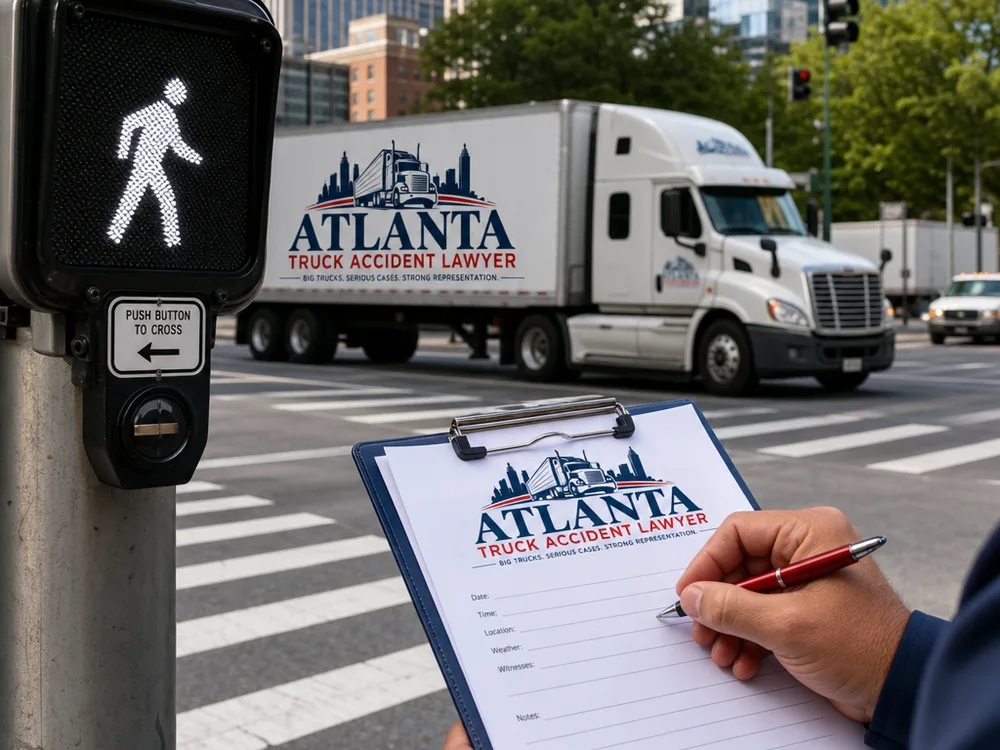
Where fault disputes begin
Disputes often center on the walk signal, turning vehicles, and whether the driver yielded. Signal phases and witness accounts can change the outcome.
Drivers looking for gaps in traffic may miss someone in the crosswalk. Visibility, speed, and distraction evidence frequently matter.
Low speed does not mean low injury risk. Video and precise scene documentation can be crucial when witnesses are limited.
The strategy can involve law-enforcement follow-up and identifying insurance options that may apply even when the driver is unknown.
Lighting, clothing visibility arguments, roadway design, and nearby camera evidence often become central issues.
When a vehicle is being used for work, the investigation may extend beyond the driver to company policies, training records, work status, and higher-limit coverage.
Documenting the full loss
A claim should account for both the bills you face now and the effects you may continue living with later.
Discuss Your Case With UsThe right case value depends on medical proof, work impact, and how the injury affects daily function.
Georgia law can reduce recovery if fault is assigned to the injured pedestrian. Insurers may claim you crossed outside a crosswalk, entered against a signal, or were not attentive. A strong claim answers those allegations with specifics: where impact occurred, when you were visible, how fast the vehicle was moving, and what the driver had time to see and do.
If an insurer asks for a recorded statement or broad medical release, getting legal advice first can help prevent those tools from being used to minimize the claim.
A structured case plan
We learn what happened, identify time-sensitive evidence, and provide a plan for protecting the claim while you focus on medical care.
We gather reports, request and preserve available video, contact witnesses, and document the scene. Qualified experts may analyze visibility, speed, and collision dynamics when needed.
We organize medical records and billing, track work restrictions and wage loss, and develop proof supporting future care needs.
We present the claim with supporting documentation and negotiate for a settlement reflecting the injuries' real impact rather than an adjuster's initial number.
If suit becomes necessary, we handle pleadings, discovery, depositions, and trial preparation while keeping you informed at each stage.
Client experiences
“After I was hit in a crosswalk, the insurance company tried to say I stepped out too fast. My attorney pulled video from a nearby business and it showed the car turning through while the walk signal was on. That changed everything.”
“I had a fractured wrist and a concussion and I was overwhelmed by paperwork. They handled the adjuster calls, gathered my records, and explained what mattered and what didn't. I felt protected the whole time.”
Answers about fault, evidence, and timing
Possibly, because liability depends on the full set of facts, not a single detail about where you crossed. Georgia fault rules can reduce recovery if a pedestrian shares responsibility, but drivers still have duties to keep a proper lookout and avoid a collision when they can. The strongest approach is to document the exact location, lighting, sight lines, and driver behavior before assumptions harden into the insurer's version of events.
A claim can still succeed if evidence shows the driver failed to yield, was not paying attention, or could have avoided the impact. Signal disputes are common at busy Atlanta intersections, so objective proof such as video, witness accounts, scene measurements, and the crash report narrative can be critical.
It is usually better to get legal advice before giving a recorded statement because answers can be taken out of context to argue that you were at fault or not seriously hurt. An attorney can handle communications and ensure the facts are presented accurately and supported by records.
In many Georgia injury cases, the general deadline is two years from the date of injury, but exceptions and special notice rules can apply. Waiting can also allow video to be overwritten and witnesses to become harder to find, so prompt evaluation is important.
Coverage may include the driver's personal insurance and company-related coverage depending on whether the driver was working. Proving work status, obtaining app or dispatch records when appropriate, and identifying all responsible parties can affect the available coverage.
Future care is supported through medical records, treating-provider opinions, and a clear timeline connecting symptoms and limitations to the crash. Serious injury claims may also use specialist recommendations, therapy plans, and summaries outlining likely future services and costs.
Share what happened and what treatment you have had so far. We will explain what evidence matters most, what the next steps look like, and how to protect the value of your claim.