Rear-end and chain-reaction crashes
Often tied to stop-and-go traffic on I-75/I-85 and surface streets. We look closely at following distance, speed, and whether distracted driving played a role.
Car accident representation · Atlanta, Georgia
Get a clear plan for your claim, protect your medical care, and pursue the full value of your injuries while we handle the insurer and the paperwork.
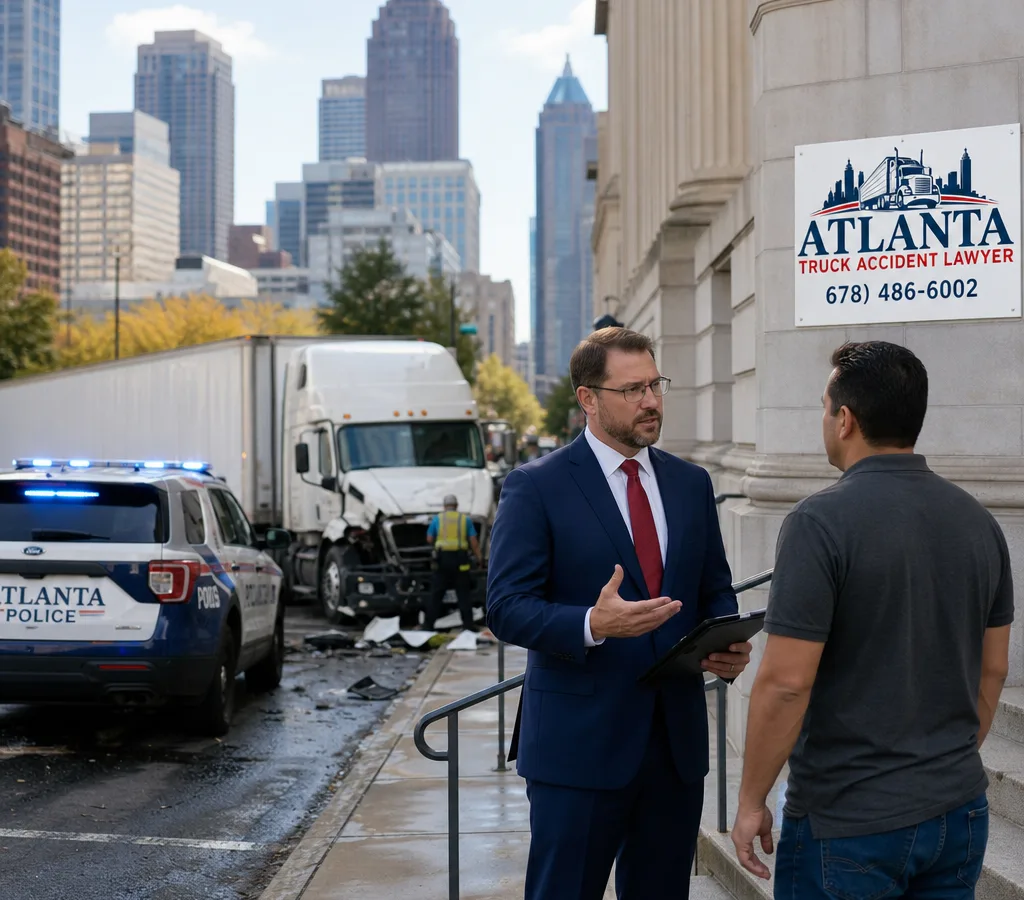
Early action helps preserve the facts
If you are looking for a car accident attorney in Atlanta, GA, you are usually dealing with more than a damaged vehicle. You may be getting medical treatment, missing work, and receiving calls from an insurance adjuster who wants a recorded statement or a quick settlement.
Our team helps Atlanta drivers and passengers pursue compensation after a crash. We gather the evidence, calculate your damages, and manage negotiations so decisions are made based on facts, not pressure.
When liability is disputed or an offer does not match the harm done, we prepare the case as though it will go to trial.
Collisions on the Downtown Connector, I-285, and I-20 may involve multiple agencies, numerous witnesses, and fast-moving insurance timelines. Evidence fades quickly, and insurers begin building their defense immediately.
Crashes involving commercial vehicles can require different coverage analysis, additional parties, and stricter evidence-preservation work.
Proof, damages, and insurer strategy
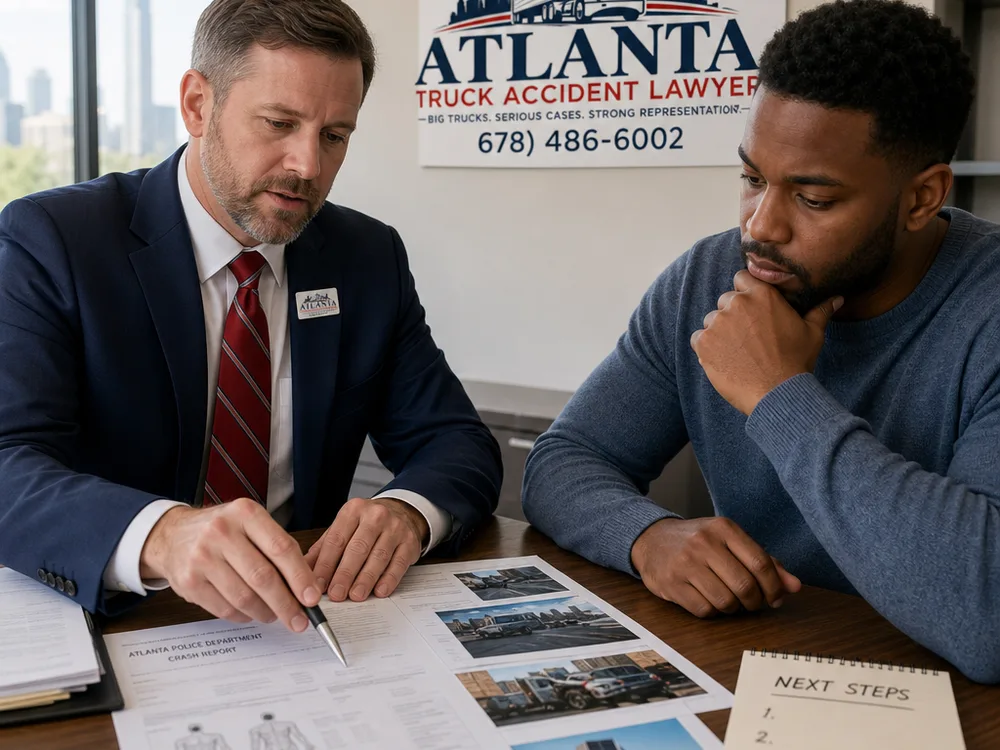
A strong claim is built on proof and documentation, not just a description of what happened. The work typically includes:
Medical records may be extensive and spread across multiple Atlanta providers. We focus on building a clean, consistent record connecting the collision, treatment, expenses, and resulting limitations.
Collision types and claim concerns
Often tied to stop-and-go traffic on I-75/I-85 and surface streets. We look closely at following distance, speed, and whether distracted driving played a role.
Fault disputes are common. We gather available signal timing details, witness statements, and impact-point evidence to confirm right-of-way.
We help evaluate coverage options, including uninsured and underinsured motorist issues, and document the claim carefully to avoid preventable denials.
When treatment is ongoing, we prioritize medical documentation, future care planning, and wage-loss proof so the claim reflects the full picture.
We use physical evidence, timelines, and consistent statements to counter unsupported attempts to shift blame.
A practical claim sequence
We start with what happened, what treatment you have received, and what the insurer is requesting. If evidence is time-sensitive, we move quickly to preserve it.
We obtain the crash report, identify witnesses, collect photos and records, and build a timeline connecting the collision with your injuries and expenses.
Once damages are documented and your medical situation is clearer, we prepare a demand addressing medical costs, lost income, pain and suffering, and supported future needs.
We negotiate directly with the insurer, explain offers in plain terms, and advise you about the tradeoffs between quick resolution and pursuing full value.
If the insurer will not act reasonably, we file suit and pursue discovery. Many cases still resolve through mediation, but preparation remains trial-focused.
Atlanta roads, agencies, and courts
Atlanta claims move through real institutions with real procedures. Reports and follow-up may involve the Atlanta Police Department or Georgia State Patrol, while court filings can involve the State Court or Superior Court in Fulton or Clayton County depending on venue and the parties.
The city's traffic patterns also shape the evidence. Midtown and Downtown crashes may be captured by nearby business, parking-deck, or building-security cameras, but recordings can be overwritten quickly. Incidents near Hartsfield-Jackson Atlanta International Airport may involve rideshare, shuttle, and additional insurance layers.
Congestion and busy intersections can create conflicting accounts about signals, lane changes, and right-of-way.
Sudden merges and speeding disputes make witness accounts, vehicle damage, and scene details important.
Commercial, rideshare, and shuttle traffic can add parties and insurance questions to an otherwise ordinary collision.
Multi-vehicle incidents may produce several competing narratives requiring careful timeline and impact analysis.
Effective claim handling treats location details as evidence, not background noise.
The adjuster kept pushing for a statement and a quick number. Once I had representation, the calls stopped and everything went through one channel. My settlement made sense after my treatment was finished.
They explained what documents mattered, helped me organize my medical bills, and kept me updated without making promises they could not guarantee. I felt prepared at every step.
Liability was disputed because the other driver changed their story. The investigation and witness follow-up made the difference when negotiations got stuck.
If you are getting medical care, missing work, or facing pressure to settle, getting legal guidance early can protect both your health and your claim.
Call for a Free QuoteAnswers before you decide
Talk with a lawyer as soon as you are safe and your immediate medical needs are addressed. Evidence and recorded statements can shape the claim from day one, while nearby video may be overwritten quickly.
A claim may include medical bills, supported future treatment, lost wages, reduced earning capacity, pain and suffering, and collision-related property losses. Value depends on proof, fault, and the injury's effect on daily life and work.
Partial fault does not automatically end a claim, but it can reduce recovery under Georgia's modified comparative negligence rules. Impact details, witness statements, and consistent records can help challenge an inflated allocation of blame.
It is often safer to obtain legal advice before giving a recorded statement to the other driver's insurer. Questions may be used to lock in wording about fault or injuries before all facts and symptoms are known.
Many cases resolve in months rather than years, but treatment length, disputed liability, and litigation affect timing. Settling before the medical outlook is clear can leave future costs unaddressed.
Most injury cases use a contingency fee, meaning the attorney fee is a percentage of the recovery rather than an upfront hourly charge. The percentage and treatment of case costs should be explained in writing before representation begins.
Bring the crash report or report number, photos or videos, insurance information, medical discharge papers, bills, and notes about missed work. Also record the approximate location, time, and direction of travel to assist with requests and timeline reconstruction.
Share what happened, what treatment you have started, and what the insurance company has asked for. We will explain your options, the risks to avoid, and the next steps to pursue a fair settlement.